Objective
Create a set of chess pieces, of your own design, that follow a clear theme.
Each chess piece must have 3 separate elements:
- a broad base
- a central body
- a head
What you’ll need to begin
You will need a pencil and paper and to find and a partner to engage in the driver-navigator pattern for creating these chess pieces.
Success Criteria
- A hand-drawn plan is made for each of your thematic chess pieces
- The models are evidently unique to each other and represent the six different chess pieces (pawn, rook, knight, bishop, queen, king)
- You consistently give and receive peer feedback that is used to influence and adapt your group’s design.
- Your chess pieces must be printable.
- You and your partner document an iterative approach to design, as shown through multiple portfolio posts.
Choose a theme
Your group will design and 3D print chess pieces, which share a common theme.
The theme could be something broad, like nature, space, or pirates, or, dive into specific properties like Marvel, Star Wars, Barbie, et cetera.
The theme will guide the design of each piece, creating a cohesive and visually stunning chess set.
Let your creativity shine! Once you have chosen a theme, confirm with Mr. Gordon.
Example
Here are some examples of themed chess sets:
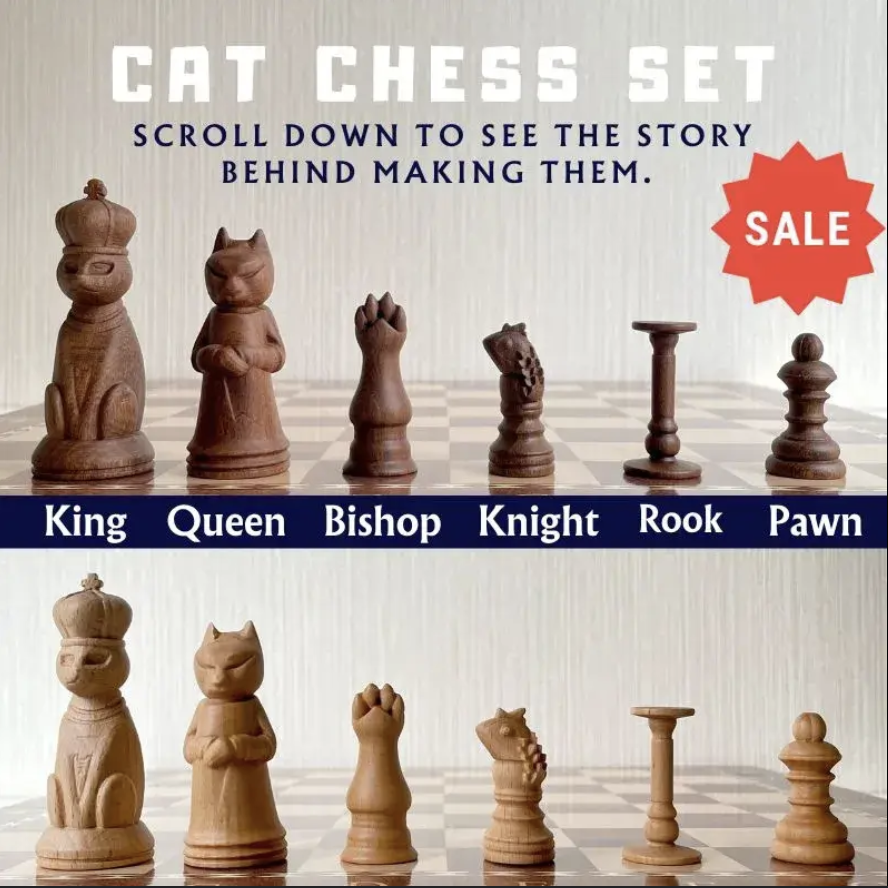
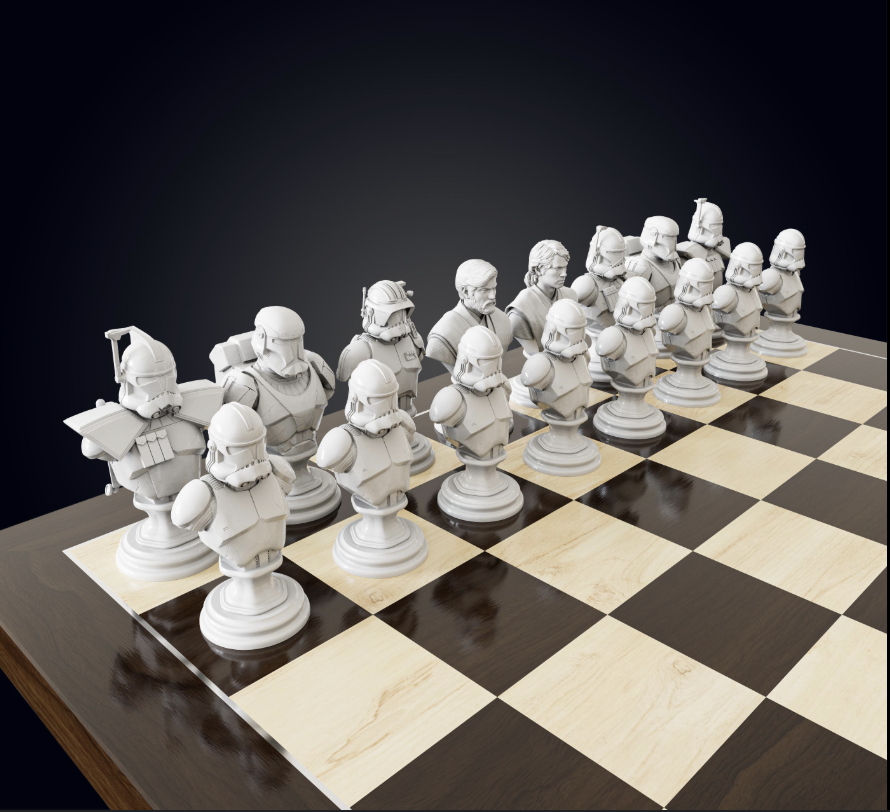
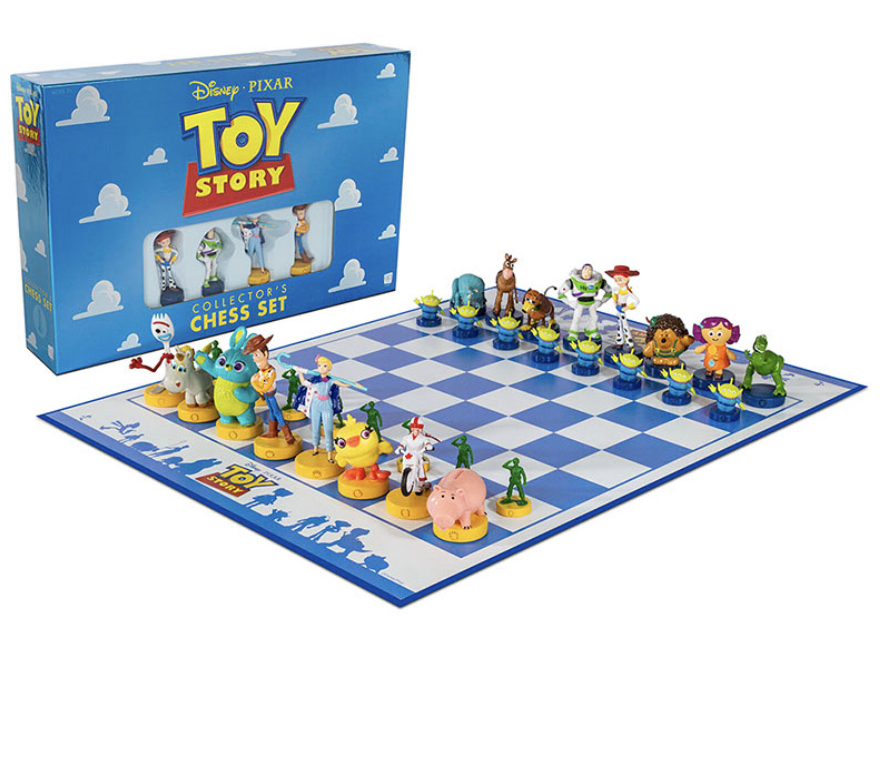
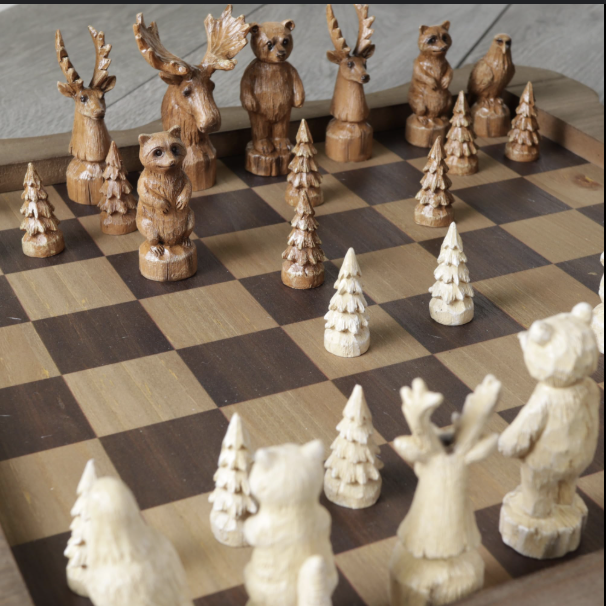
Plan
Draw out your six chess pieces:
- pawn
- rook
- knight
- bishop
- queen
- king
… on the provided graph paper. This will act as your initial design.
The pieces should be easily recognisable. That is to say – there should be no confusion as to whether a piece is a pawn or a rook.
These sketches should be included in your Notion posts as part of your planning process.
Tip
Remember to keep in mind the principles of 3D printing when sketching and designing.
Peer feedback
Discuss your sketches with your partner. Share feedback between groups.
You will provide and receive at least three pieces of constructive feedback on your sketches.
Be sure to document the feedback given and received (both the content of the feedback, and to whom it was provided to, or received from).
Remember
Constructive feedback needs to be:
- Helpful
- Specific
- Kind
Example
“It is really good, I think it looks cool. There is some stuff that you could fix like the top of it” is KIND, but it is not SPECIFIC, or HELPFUL
“The proportions of your windows are really accurate! The columns are really close to accurate but are a bit off near the top as they look thinner than the real thing. If you use the technique you did for the windows on the columns to get them more accurate, I think it would really elevate your project!” is an example of GOOD peer feedback.
For more on providing good feedback, this is a great video to review.
Dimensions
When designing your chess piece in Tinkercad, keep scale in mind!
Your chess pieces should be close to these standardized sizes.
Creative liberties may be taken, within reason.
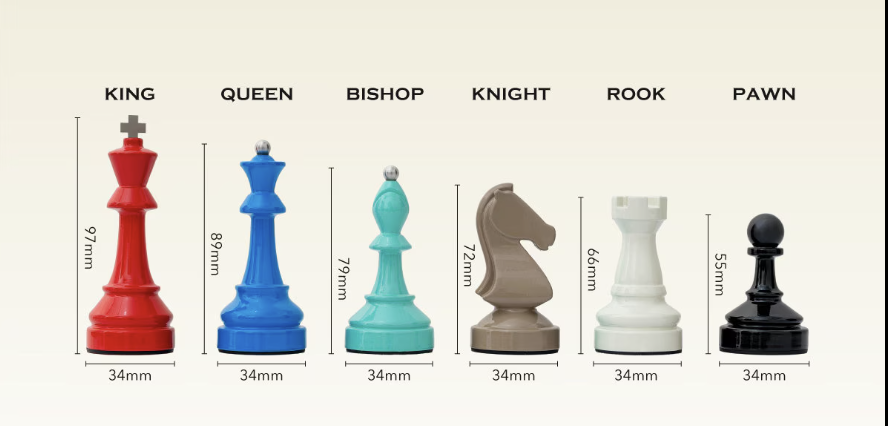
You can copy/paste designs from one project to another on Tinkercad. If you run out of space on your workplane making the pieces, create another project and then when you are finished, copy/paste them all into one project.
Submitting your group’s work
Be sure to clearly identify who your partner was.
Each student must submit the work separately in their Notion portfolio.
Be sure that you submit the .STL files along with a fly-through video of each piece.
IMPORTANT
Since groups, overall, have done such an excellent job on this task, Mr. Gordon and Mr. Jones have decided to print a complete set of chess pieces for each group.
To facilitate this, please do the following before handing in your .STL file:
- Arrange pieces side-by-side, in decreasing height from tallest to shortest, so it is clear which pieces are which. That should mean the following order:
- King
- Queen
- Bishop
- Knight
- Rook
- Pawn
Double-check that the size of the base of each of your pieces is 3.5 cm or 35 mm. Using default settings, this should be three and a half squares on the workplane. Each piece should have either a circular or square base with these dimensions.
Be sure that each piece is grouped, but, that all the pieces are not grouped together.
This means that all the pieces of a King are grouped together, then separately, all the pieces of a Queen are grouped, together, and so on. However, each piece within the set of six is separate from one another.